Boulder Jewish News Arts, Culture, Events, Lifestyles, Holidays, Synagogues, Education

Strange that the last three of the ten plagues are in a separate Torah portion. Even more striking is that they all have some connection with darkness: Locusts, darkness, and death of the Egyptian first-born. With regard to the darkness itself, according to the sages, there was something very unusual, when the Torah says, ‘to all the children of Israel, there was light in their dwellings.’ This seemingly straight forward statement is subject to many commentaries, from the most natural to the supernatural. On the more natural side, the Torah T’mimah says that the darkness was actually ‘coverings over the eyes,’ meaning cataracts! In the supernatural court, the Israelites not only had light in their abodes, but also wherever they went, including the otherwise pitch black streets and homes of the Egyptians.
Why is darkness the culmination of all the plagues? What is the lesson in it for us? After all, the Exodus is the most repeated event and holiday in the Jewish calendar. In fact, the Seder is probably the most attended Jewish festival of the entire year. One aspect of its relevant symbolism is a description of the plague of darkness in the verse regarding the Egyptians: ‘No man saw his brother and no man could get up from under himself.’ The sages say the darkness was so thick that it engulfed the Egyptians like an impenetrable substance that prevented them from moving, at the same time as the Israelites had light all around. The Kotzker Rebbe explains that this refers to the hidden light of creation which had been concealed because of possible misuse by unscrupulous people, but now that the plague of darkness prevented the Egyptians from seeing, the Israelites who were ready to leave the confines of Egypt, could have access to that original light.
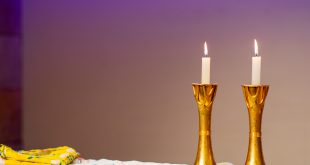
In a similar way, when Shabbos descends upon the earth, those who are ready to let go of controlling the superficial lights of nature and the artificial lights of technology, can be more receptive to this greater light. Therefore Shabbos officially begins with the lighting of candles which become the receptacle for that original light. In fact the mystics tell us that the Shabbos light is so transcendent and beyond time that if one can gaze carefully at the lights, one may even perceive future events. No wonder there are numerous stories about women praying for a very long time over the candles for the wellbeing of their families and others in need.
There is a commandment in this parasha called the ‘redemption of the first born.’ In contrast to the last plague about the death of the first-born, the first-born of Israel were saved and therefore express their gratitude by a special ritual. In fact, until the episode of the Golden Calf, the first-born were designated as the priests in the Temple. In a modern reflection of the significance of the first-born, some contemporary rabbis compare this to parents taking more pictures of their first child than children to follow. So some suggest that when mothers are praying for their children, and might tend to pray more or at least for a longer time for their first-born, that they ‘switch’ the order of whom they are praying for, to give equal, or equitable, time for each child. (Indeed, some children may need more time to be prayed over.) When the original light was hidden on the first Friday of creation, it was partially restored by the light of the first Shabbos. There is a Hassidic story of a woman who tearfully prayed so hard over her candles that her tears put out the lights. She had already said the blessing so she couldn’t actively relight them. Distraught, she cried again, and guess what? Her tears caused the candles to be relit! Our present world can elicit lots of tears but when there appears even a small ray of light, as in the release of some hostages, perhaps we can dispel the darkness by tears of hope and trust that soon lights of goodness and Godliness will illuminate the universe as it was in the Beginning.